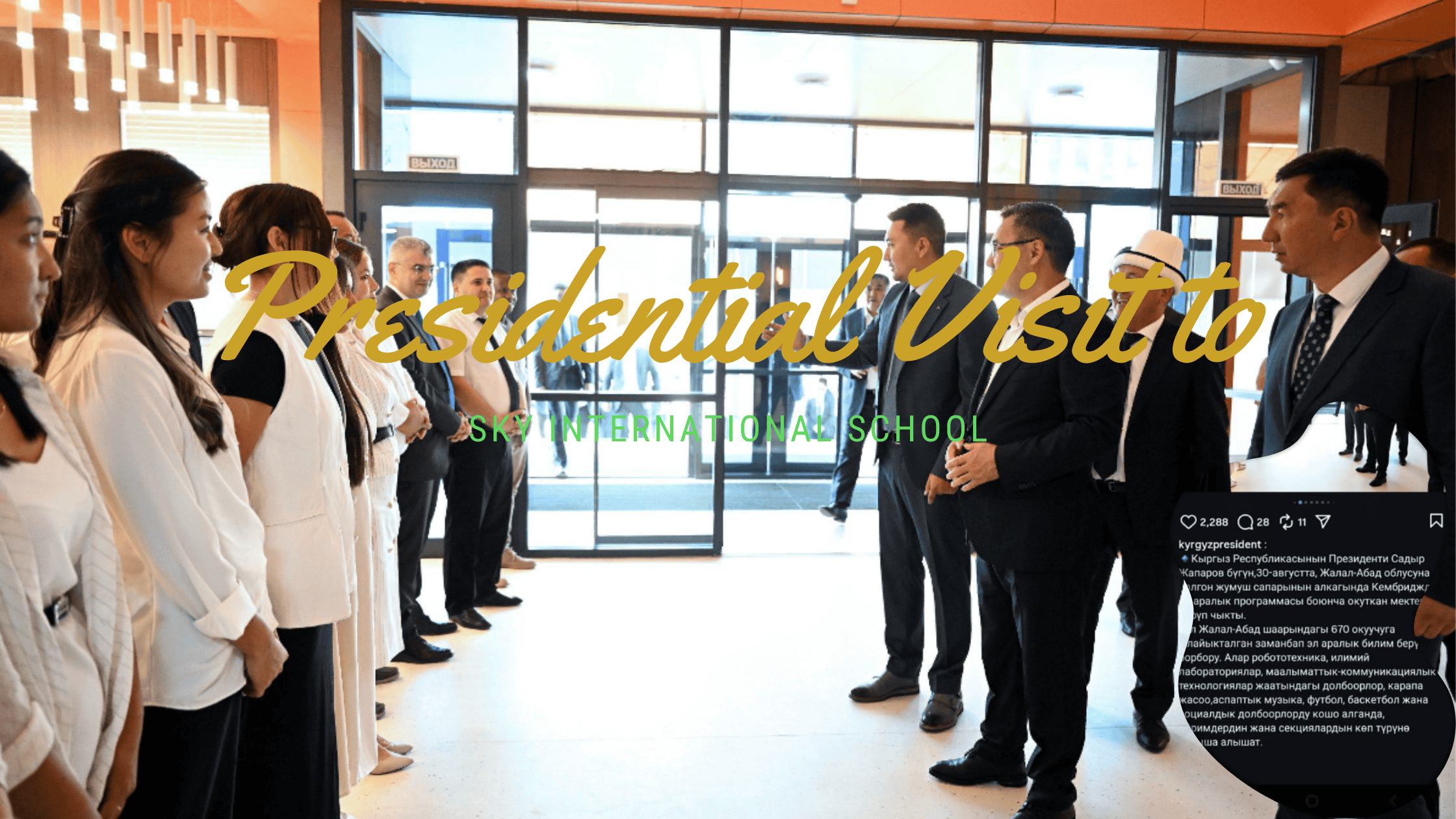

ICT and Computer Science Teacher in Kyrgyzstan: Leading Digital Education at Sky International School, Jalal-Abad
Building Strong ICT Education in Kyrgyzstan: Teaching 260 Students at Sky International School, Jalal-Abad
Introduction: Advancing Computer Science Education in Kyrgyzstan
As Kyrgyzstan continues to strengthen its international education sector, the role of the ICT and Computer Science teacher in Kyrgyzstan has become increasingly vital. Digital skills are no longer optional — they are essential for university readiness, global careers, and participation in the modern economy.
At Sky International School in Jalal-Abad, I have had the opportunity to teach and guide over 260 students in ICT and Computer Science. This experience has reinforced my belief that strong pedagogy, structured curriculum delivery, and parental engagement are the foundations of successful digital education in Central Asia.
This article reflects on the importance of ICT education in Kyrgyzstan and how international schools are shaping the next generation of programmers, engineers, and innovators.
Teaching ICT to 260 Students: A Leadership Responsibility
Teaching ICT and Computer Science at scale requires more than subject knowledge. It requires:
-
Strategic curriculum planning
-
Differentiated instruction for mixed-ability learners
-
Clear assessment frameworks
-
Parent communication and transparency
-
Integration of global standards such as Cambridge IGCSE
Managing ICT education for 260 students means building systems that ensure consistency, progress tracking, and measurable academic growth.
At Sky International School, our goal is to align ICT instruction with international standards while supporting local students in developing strong computational thinking skills.
The Importance of Parent Engagement in ICT Education
The parents’ meeting at Sky International School was an essential step in strengthening collaboration between teachers and families.
During the session, we discussed:
-
The structure of the ICT curriculum
-
Programming languages taught (Python, Java)
-
Examination pathways (IGCSE, A-Level, AP Computer Science A)
-
Assessment methods and grading criteria
-
How parents can support coding practice at home
Parent involvement significantly improves student motivation and academic outcomes. When families understand the long-term value of Computer Science education, they actively support skill development beyond the classroom.
ICT Curriculum and International Standards in Kyrgyzstan
International schools in Kyrgyzstan are increasingly adopting:
-
Cambridge IGCSE Computer Science
-
A-Level Computer Science
-
AP Computer Science A
These programs require:
-
Algorithm design mastery
-
Strong programming fundamentals
-
Problem-solving ability
-
Logical reasoning skills
As a Cambridge ICT teacher in Kyrgyzstan, I focus on ensuring students understand not only how to write code but why algorithms function as they do.
This deeper conceptual understanding prepares students for international university programs in Computer Science, Engineering, and Artificial Intelligence.
Developing Computational Thinking in Kyrgyz Students
Effective ICT pedagogy emphasizes:
-
Decomposition
-
Abstraction
-
Pattern recognition
-
Algorithmic thinking
Rather than memorizing syntax, students learn structured problem-solving.
With over 260 learners, structured scaffolding and active learning strategies are essential. Students work on:
-
Real coding exercises
-
Debugging challenges
-
Practical project-based assignments
-
Collaborative programming tasks
This approach builds confidence and independence.
The Growing Demand for Computer Science Teachers in Kyrgyzstan
Kyrgyzstan’s education sector is evolving. International schools and private institutions are prioritizing:
-
Digital literacy
-
STEM education
-
Coding and robotics
-
Artificial intelligence awareness
The demand for experienced ICT teachers in Kyrgyzstan and Computer Science educators in Central Asia continues to grow as schools seek alignment with global standards.
Foreign educators with international curriculum experience contribute significantly to raising academic benchmarks.
Why Strong ICT Leadership Matters in Jalal-Abad
Jalal-Abad is emerging as an important educational hub outside Bishkek. Schools that implement modern ICT programs provide students with competitive advantages both locally and internationally.
Leading ICT instruction for a large student body requires:
-
Curriculum alignment
-
Assessment consistency
-
Classroom innovation
-
Parent communication
-
Professional development
At Sky International School, we are committed to advancing digital education and preparing students for global academic and professional pathways.
Conclusion: Strengthening ICT Education in Central Asia
ICT and Computer Science education in Kyrgyzstan is entering a transformative phase. With international curricula, structured pedagogy, and collaborative parent engagement, schools are building strong foundations for future innovation.
Teaching over 260 students has reinforced the importance of consistency, leadership, and long-term academic vision. As Kyrgyzstan invests in digital transformation, experienced ICT educators play a central role in shaping the next generation of technology leaders.
About the Author
Ahmed Elmalla is an experienced ICT and Computer Science teacher at Sky International School in Jalal-Abad, Kyrgyzstan, with over 19 years of international teaching experience. He specializes in Cambridge IGCSE, A-Level, and AP Computer Science A instruction, focusing on computational thinking, coding excellence, and inclusive digital education in Central Asia.