Pedagogy in Teaching ICT in Kyrgyzstan: Modern Strategies for Computer Science Classrooms
Introduction: The Future of ICT Education in Kyrgyzstan
As Kyrgyzstan continues to modernize its education system and invest in digital transformation, the role of the ICT and Computer Science teacher in Kyrgyzstan has become increasingly significant. Schools in Bishkek, Jalal-Abad, and across the country are integrating international curricula such as Cambridge IGCSE and A-Level Computer Science, making strong pedagogical foundations essential.
Teaching ICT is no longer limited to software literacy. Today, effective ICT pedagogy focuses on computational thinking, coding proficiency, digital ethics, artificial intelligence awareness, and real-world problem-solving.
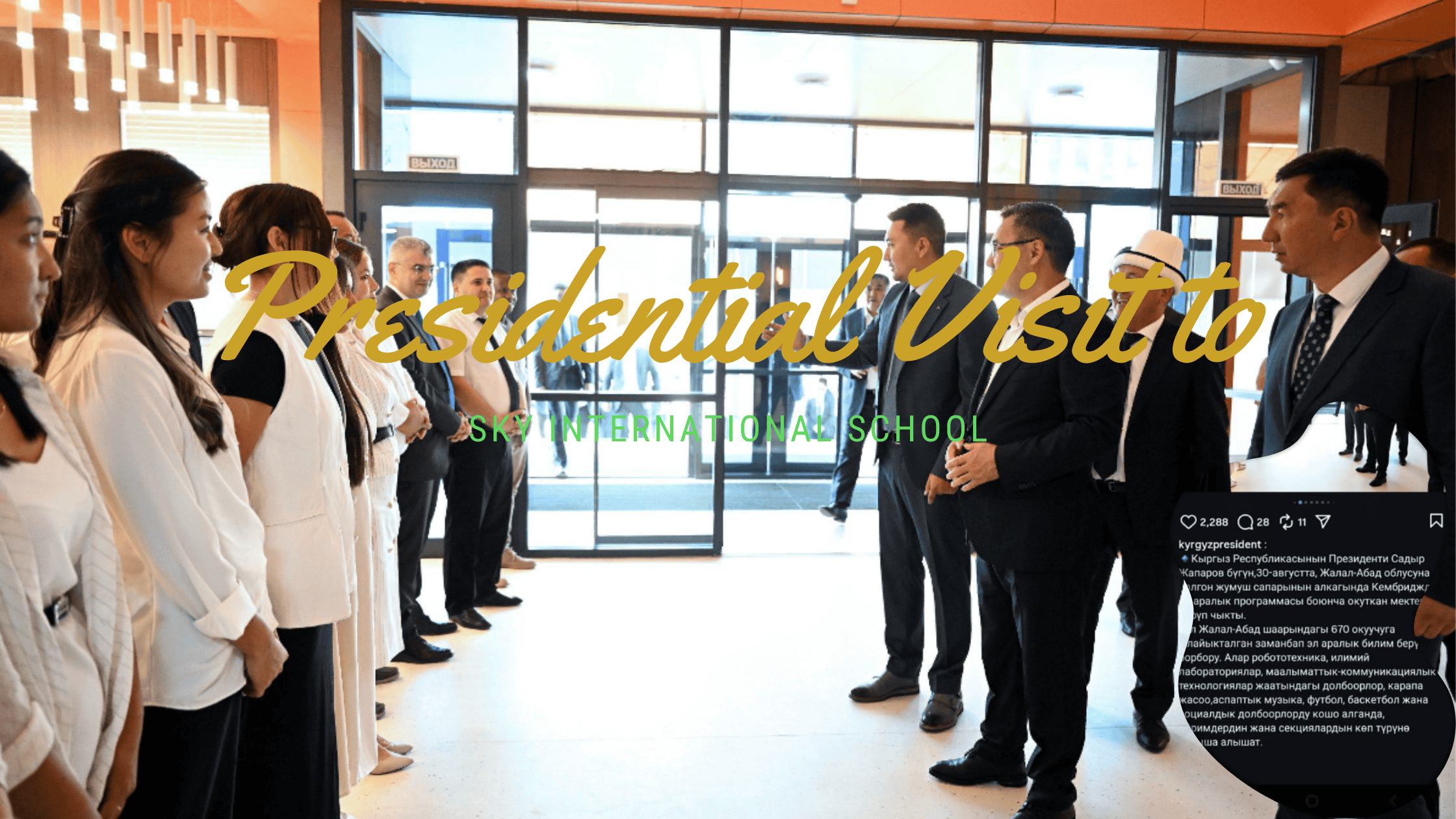
In international schools like Sky International School in Jalal-Abad, ICT education aligns with global standards while supporting local students in developing competitive digital skills.
This article explores the most effective pedagogical strategies for teaching ICT in Kyrgyzstan, supported by global best practices, video resources, and online professional development courses.
What Is Pedagogy in ICT Education?
Pedagogy refers to the methods and strategies used to facilitate learning. In ICT education, pedagogy includes:
-
Structured coding instruction
-
Active learning strategies
-
Project-based learning
-
Differentiated instruction
-
Integration of digital tools
-
Assessment for real-world application
For a Computer Science teacher in Kyrgyzstan, pedagogy must bridge theory and practice. Students must not only understand algorithms but also implement them effectively in Python, Java, or pseudocode.
In the context of Central Asia’s expanding digital economy, ICT pedagogy plays a vital role in preparing students for university and global careers.
Active Learning Strategies in ICT Classrooms in Kyrgyzstan
Traditional lecture-based teaching is insufficient in modern ICT classrooms. Active engagement is essential.
1. Pair Programming
Students collaborate while coding, improving debugging skills and communication.
📺 Video Resource:
Pair Programming Explained – Computerphile
https://www.youtube.com/watch?v=ni9fHjZ5iEw
2. Project-Based Learning (PBL)
Students create real-world applications such as:
-
School management systems
-
Data visualization dashboards
-
Simple AI chatbots
📺 Video Resource:
Project-Based Learning in Computer Science
https://www.youtube.com/watch?v=LMCZvGesRz8
PBL strengthens analytical thinking and prepares students for Cambridge and AP Computer Science exams.
Teaching Computational Thinking in Kyrgyz Schools
Computational thinking includes:
-
Decomposition
-
Pattern recognition
-
Abstraction
-
Algorithm design
Instead of memorizing syntax, students learn how to approach problems logically.
📺 Video Resource:
What is Computational Thinking? – Google for Education
https://www.youtube.com/watch?v=6XvmhE1J9PY
This approach is particularly important for students preparing for:
-
IGCSE Computer Science (9618)
-
A-Level Computer Science
-
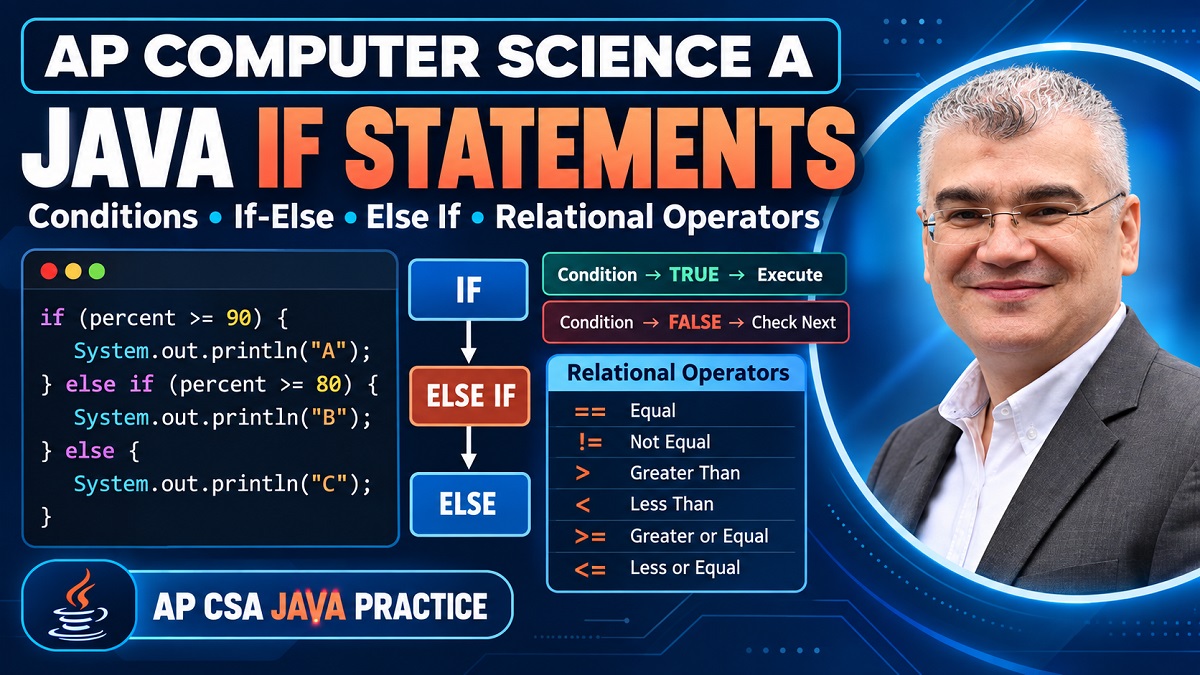
AP Computer Science A
Differentiated Instruction in ICT Classrooms
ICT classrooms in Kyrgyzstan often include mixed-ability learners.
Effective differentiation includes:
-
Tiered coding challenges
-
Scaffolded worksheets
-
Modified assessment criteria
-
Visual flowcharts for beginners
This ensures that both advanced students and slow learners progress effectively.
📚 Professional Course on Differentiation:
Differentiated Instruction – Coursera
https://www.coursera.org/learn/differentiated-instruction
Scaffolding in Programming Education
Scaffolding supports learners until they gain independence.
Effective steps:
-
Teacher models coding
-
Guided practice
-
Group work
-
Independent coding
📺 Video Resource:
Scaffolding Instruction in the Classroom
https://www.youtube.com/watch?v=nxmEoR3xB9E
For ICT teachers in Jalal-Abad and Bishkek, scaffolding is crucial when teaching recursion, data structures, and algorithms.
Assessment in ICT Education in Kyrgyzstan
Assessment should reflect both theory and practical coding ability.
Formative Assessment
-
Code reviews
-
Mini programming tasks
-
Peer debugging sessions
Summative Assessment
-
Practical exams
-
Project submissions
-
Written algorithm design tasks
📚 Cambridge Assessment Resources:
https://www.cambridgeinternational.org/programmes-and-qualifications/cambridge-igcse-computer-science-0478/
Integrating AI and Digital Tools in Kyrgyz ICT Classrooms
Modern ICT pedagogy includes AI awareness and responsible digital usage.
Examples:
-
Using GitHub for collaboration
-
AI tools for debugging demonstrations
-
Data analysis with Python (Pandas, NumPy)
📚 AI for Teachers Course – Coursera
https://www.coursera.org/learn/ai-for-everyone
📚 Harvard CS50 (Free Computer Science Course)
https://cs50.harvard.edu/x/
CS50 is highly recommended for advanced students in Kyrgyzstan preparing for university-level Computer Science.
Online Courses for ICT Teachers in Kyrgyzstan
To remain competitive, ICT educators should continuously upgrade skills.
Recommended Courses:
-
Python for Everybody – University of Michigan
https://www.coursera.org/specializations/python -
Teaching Computer Science – edX
https://www.edx.org/learn/computer-science -
Google IT Support Professional Certificate
https://www.coursera.org/professional-certificates/google-it-support -
Cambridge Professional Development for Teachers
https://www.cambridgeinternational.org/support-and-training-for-schools/professional-development/
Why Strong ICT Pedagogy Matters in Kyrgyzstan
Kyrgyzstan is investing in:
-
Digital education reforms
-
International school expansion
-
STEM curriculum enhancement
Strong pedagogy ensures students are prepared for:
-
International universities
-
Technology careers
-
Remote global work opportunities
A qualified ICT teacher in Kyrgyzstan must combine curriculum knowledge, technical expertise, and student-centered teaching strategies.
Conclusion: Advancing ICT Education in Kyrgyzstan
Pedagogy in teaching ICT is the foundation of successful digital education. By integrating active learning, computational thinking, differentiation, and modern assessment strategies, ICT educators in Kyrgyzstan can elevate classroom standards to international levels.
As digital transformation accelerates across Central Asia, the role of the Computer Science teacher becomes increasingly critical. With the right pedagogical approach, students in Jalal-Abad, Bishkek, and beyond can compete globally in technology and innovation.
About the Author
Ahmed Elmalla is an experienced ICT and Computer Science teacher at Sky International School in Jalal-Abad, Kyrgyzstan, with over 19 years of international teaching experience. He specializes in Cambridge IGCSE, A-Level, and AP Computer Science A, focusing on computational thinking, coding excellence, and inclusive digital education.
For collaboration or school inquiries in Kyrgyzstan or Central Asia, connect via LinkedIn or contact through elmalla.info.