Unauthorized ChatGPT Charges: My $120 Dispute and Warning to Subscribers
Introduction: An Unexpected $120 Charge
I have been a legitimate, paying ChatGPT subscriber for several months. Like many professionals and educators, I use AI tools regularly for teaching, preparing educational materials, programming, and improving productivity.
However, on October 11, 2026, I discovered something concerning.
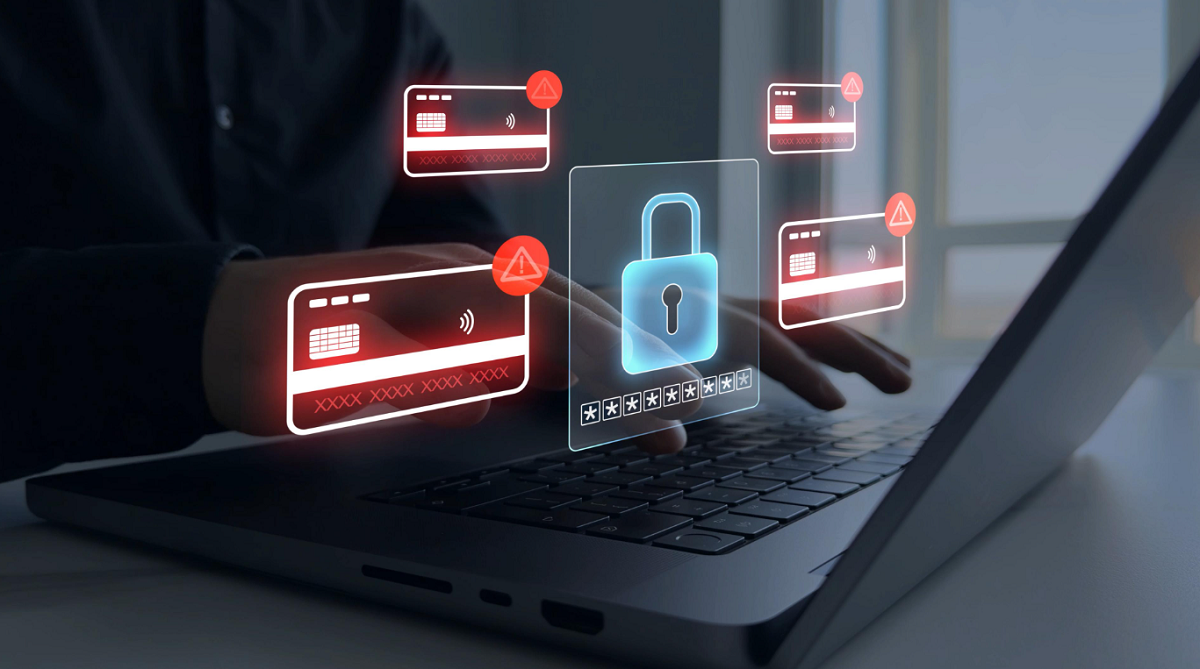
My bank notified me of six payment attempts under the merchant description "OPENAI ChatGPT SUBSCR."
Three transactions were successful:
| Transaction | Amount |
|---|---|
| First payment | $20 |
| Second payment | $20 |
| Third payment | $80 |
| Total disputed charges | $120 |
I did not authorize these transactions.
What made the situation particularly concerning was that the charges appeared on a Visa card I had stopped using for my ChatGPT subscription after changing my payment method in September 2026.
This article documents my experience, the difficulties I encountered while seeking a resolution, and the lessons other ChatGPT subscribers can learn.
Important clarification: This is my personal account of disputed transactions and support correspondence. It does not establish how my card details were used, who initiated the payments, or whether OpenAI's systems were compromised. Those questions require investigation.
1. I Changed My Payment Method Before the Unauthorized Charges
From February through August 2026, I used my original Visa card to pay for my ChatGPT subscription.
In September 2026, I updated my subscription to use a different Visa card.
I believed my future subscription payments would use the newly registered card.
However, on October 11, three payments totaling $120 were charged to the previous card.
I had not knowingly authorized additional ChatGPT subscriptions or linked that card to another ChatGPT account.
The fact that these payments involved a previously used card raised serious questions for me about payment security and how unauthorized transactions should be investigated.
Changing a payment method should not be confused with canceling or invalidating a card's details everywhere they might have been stored. Nevertheless, any unexplained charge deserves immediate attention.
2. Six Payment Attempts in a Single Day
According to the notifications I received from my bank, six payment attempts were recorded on October 11.
Three succeeded, resulting in charges of $20, $20, and $80.
The remaining attempts were not reported as successful payments.
I contacted my bank, and the affected card was blocked to prevent additional transactions.
On October 12, I also changed my ChatGPT password as a precaution.
At that point, my main objectives were straightforward:
-
Identify the origin of the disputed charges.
-
Determine whether they were connected to another ChatGPT account.
-
Request a refund if the transactions were confirmed unauthorized.
-
Prevent further misuse of my payment information.
I expected the investigation to focus on verifying my card ownership and tracing the reported transactions.
Instead, another complication emerged.
3. The Most Difficult Question: Which Email Address Was Used?
During my correspondence with OpenAI Support, I was informed that the disputed transactions were associated with another email address.
I was asked to contact Support using that address.
This created a significant problem.
How can a cardholder provide the email address of an account they do not recognize, did not create, and cannot access?
If someone has used another person's payment details without permission, the cardholder may have no knowledge of the account associated with those transactions.
In my case, I knew my legitimate ChatGPT account and could provide evidence of ownership of the charged card.
What I could not provide was the email address associated with the disputed payments.
I repeatedly explained that I was not requesting access to another person's account. I was requesting an investigation into transactions made using my payment card.
I believe service providers should offer appropriate alternative verification procedures for these situations, while maintaining the privacy and security of other account holders.
My concern is not about gaining access to an unfamiliar account. It is about being able to report suspected unauthorized card use without needing information that only the person responsible for the transactions might know.
4. My Attempts to Resolve the Issue
I contacted OpenAI Support and received a case reference.
I then submitted multiple follow-ups explaining the situation, identifying the transaction amounts, and asking for an investigation and refund update.
Timeline of my complaint
| Date | Action |
|---|---|
| October 11, 2026 | Six payment attempts reported; three successful charges totaling $120 |
| October 12, 2026 | Changed my ChatGPT password |
| October 13, 2026 | Followed up with OpenAI Support and clarified the payment history |
| October 16, 2026 | Requested investigation and refund-status confirmation |
| October 19, 2026 | Escalated the unresolved complaint |
| October 22, 2026 | Submitted another formal escalation requesting alternative cardholder verification |
| October 26, 2026 | No substantive resolution received in the correspondence available to me |
My October 22 escalation specifically requested confirmation that the three transactions had been identified, clarification of the investigation status, and an alternative way to verify my ownership of the affected card.
As of writing this article, I cannot confirm that a refund has been approved or issued.
I also cannot confirm the identity of the account holder associated with the disputed transactions or how my previous card details may have been obtained.
I remain hopeful that the issue can be resolved through a transparent investigation.
5. Why This Matters Beyond My $120
The financial loss is important, but the broader concern is the experience of reporting potentially unauthorized charges.
Imagine being a subscriber who discovers unfamiliar payments to a digital service.
You contact the provider, explain that you did not authorize the transactions, and provide details from your bank.
You then discover that investigating the payments may require identifying an unfamiliar account.
For an affected cardholder, that may be impossible.
This raises an important consumer-protection question:
Should proof of payment-card ownership be sufficient to begin a secure investigation, even if the customer cannot identify the account that received the service?
I believe providers should have accessible procedures for addressing this situation.
Such procedures must balance payment security, customer privacy, fraud prevention, and the legitimate cardholder's ability to challenge unauthorized transactions.
This is not a claim that OpenAI has deliberately permitted fraudulent activity. Rather, it is a call for clearer customer-facing processes when transaction ownership and account ownership are disputed.
6. What Other ChatGPT Subscribers Can Learn
If you subscribe to ChatGPT or another online service, I recommend taking the following precautions.
Check your bank statements regularly
Do not assume that subscription payments will always match the amount you expect.
Review payment descriptions, dates, and amounts carefully.
Enable bank transaction notifications
Immediate payment notifications can help you notice suspicious activity sooner.
Check both successful transactions and declined payment attempts.
Review old payment methods
When changing subscription cards, remember that replacing a payment method in one account does not necessarily invalidate card credentials wherever else they might exist.
If you suspect misuse, contact your bank for guidance.
Protect your account credentials
Use strong, unique passwords and available multi-factor authentication.
If you suspect account compromise, secure your email account as well as the affected online service.
Keep evidence of suspicious transactions
Preserve bank statements, notifications, dates, transaction references, and copies of support correspondence.
Contact your card issuer promptly
Do not depend exclusively on a merchant investigation when you believe your card has been used without authorization.
Ask your bank about card blocking, replacement, and formal payment-dispute procedures.
Avoid publishing private financial information
If you share your experience publicly, remove account numbers, full card numbers, transaction reference identifiers, personal email addresses, and other sensitive information.
7. What OpenAI Officially Says About Unauthorized Charges
OpenAI provides a support process for users who discover unrecognized ChatGPT or API purchase charges.
According to its official Help Center, users can report suspicious activity and request an investigation.
Refund eligibility is reviewed after the unauthorized charges have been validated.
OpenAI also recommends contacting the bank immediately and informing Support if a formal payment dispute has already been opened.
These procedures are important, and I encourage affected users to follow them.
However, my experience illustrates why the practical details of the investigation process matter, particularly when a cardholder cannot identify the account associated with a disputed payment.
For official guidance:
Reporting unauthorized charges:
https://help.openai.com/en/articles/7242625-report-fraudulent-chatgpt-or-api-credit-purchase-charges
Contacting OpenAI Support:
https://help.openai.com/en/articles/6614161-how-can-i-contact-support
8. What I Hope OpenAI Will Improve
I recognize that payment disputes can be complex and that a company must protect its users against fraudulent refund requests.
I also understand that an investigation may require verifying payment information and protecting the privacy of unrelated account holders.
Nevertheless, I hope OpenAI and other subscription providers will continue improving how they handle disputed card transactions.
In particular, I would welcome:
-
Clear alternative verification options for cardholders who do not recognize the account associated with a charge.
-
Better communication about the status of reported unauthorized transactions.
-
Written confirmation when all disputed transactions have been located.
-
Transparent explanations of refund decisions.
-
Clear instructions for coordinating with banks during disputes.
-
Accessible escalation procedures for cases that remain unresolved.
These improvements would help legitimate customers report suspicious activity while respecting the need for strong anti-fraud controls.
9. My Message to Other Subscribers
I continue to recognize the value of ChatGPT as an educational and productivity tool.
This experience has not changed the usefulness of the technology for me.
However, a useful digital service must also be supported by reliable billing safeguards and an effective process for resolving disputed payments.
My purpose in sharing this experience is not to accuse anyone without evidence.
It is to encourage awareness, responsible payment-card management, and better handling of unauthorized billing complaints.
If you discover unfamiliar charges, act promptly.
Contact your bank, preserve your records, secure your accounts, and follow the service provider's official reporting procedure.
Most importantly, do not assume that an unfamiliar payment is legitimate merely because the merchant name belongs to a service you normally use.
Conclusion: Consumer Trust Requires More Than Good Technology
My experience began with three disputed payments totaling $120.
Fifteen days later, my central questions remained unanswered in the correspondence available to me: Who or what initiated the transactions, how were they authorized, and would the disputed amount be refunded?
I cannot yet provide those answers.
I hope my case receives a fair investigation and that the experience helps other subscribers recognize suspicious charges and understand how to respond.
Innovation builds interest in technology. Transparency, security, and accountability build lasting customer trust.
Author's note: This article reflects my personal experience and correspondence as of October 26, 2026. The transactions are disputed and have not been independently established as fraudulent. The article will be updated if verified information about the investigation or refund becomes available.
Author Bio
Cambridge Computer Science Tutor Author Bio
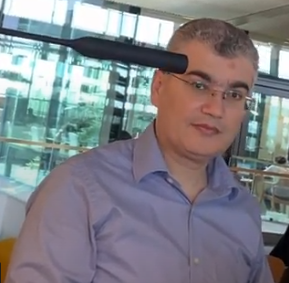
Ahmed Elmalla is a Computer Science educator, Certified Cambridge International AS & A Level Computer Science (9618) teacher, and software engineer with over 20 years of teaching, software engineering, and international tutoring experience. He specializes in AP Computer Science A (Java) and Cambridge IGCSE (0478) and AS & A Level Computer Science (9618), helping students build strong programming, computational thinking, and exam-solving skills. Through his Learn with Kemo platform, he has mentored students from around the world using practical, exam-focused instruction tailored to each learner's needs. His lessons combine real-world software engineering experience with personalized one-to-one tutoring, making complex Java and Computer Science concepts easier to understand. Ahmed is passionate about helping students gain confidence, improve academic performance, and achieve outstanding results in international Computer Science examinations.
LinkedIn: https://www.linkedin.com/in/akelmalla
WhatsApp: https://wa.me/60194028484