.png)
A Real Engineering Experience with MariMatic®
-
H1: Inside the World’s Largest Automated Waste Collection System: A Real Engineering Experience with MariMatic®
-
H2: Introduction to MariMatic® Oy and Its Global Impact
-
H3: Innovation in Automated Waste Collection Systems
-
H3: Global Reach and Engineering Excellence
-
-
H2: Understanding Automated Waste Collection Systems (AWCS)
-
H3: How Pneumatic Waste Systems Work
-
H3: Applications in Smart Cities and Mega Projects
-
-
H2: The Haram Expansion Project in Makkah
-
H3: The Scale and Importance of the Project
-
H3: Role of AWCS in Managing Massive Waste Volumes
-
-
H2: My Journey into MariMatic®
-
H3: The Initial Interview in Dubai
-
H3: Traveling to Finland for Technical Evaluation
-
-
H2: Joining the Team and First Impressions
-
H3: Working with International Engineering Teams
-
H3: Leadership and Work Culture
-
-
H2: Technical Overview of the System in Makkah
-
H3: Waste Chutes, Pipelines, and Storage Systems
-
H3: Automation and Control Systems
-
-
H2: Training and International Exposure
-
H3: Finland Demo System Experience
-
H3: Installation Experience in Sweden
-
-
H2: Lessons for ICT and Automation Engineers
-
H3: Integration of Software and Industrial Systems
-
-
H2: Case Study: AWCS in Smart City Infrastructure
-
H2: Recommended Learning Resources
-
H2: Conclusion
-
H2: FAQs
-
Inside the World’s Largest Automated Waste Collection System: A Real Engineering Experience with MariMatic®
Introduction to MariMatic® Oy and Its Global Impact
MariMatic® Oy, part of the MariGroup, is a Finnish engineering company known for developing advanced automated material handling and waste collection systems. Over the years, the company has built a strong reputation for delivering innovative solutions that address real-world challenges, particularly in urban environments and industrial operations. One of its most impactful contributions is the development of Automated Waste Collection Systems (AWCS), which are transforming how cities manage waste.
Unlike traditional waste collection methods that rely heavily on manual labor and transportation, AWCS systems use pneumatic technology to transport waste through underground pipelines. This approach significantly improves hygiene, reduces environmental impact, and enhances operational efficiency. MariMatic® has delivered more than 1,500 systems across 40+ countries, demonstrating its global leadership in this field.
The company offers two main systems:
-
Taifun® System – Designed for industrial and food waste applications
-
MetroTaifun® System – Developed for urban environments and municipal waste
These systems are not just mechanical solutions—they are complex integrations of automation, control systems, and ICT technologies, making them highly relevant for professionals in computer science, automation, and engineering education.
Innovation in Automated Waste Collection Systems
What makes MariMatic® unique is its ability to combine mechanical engineering with digital control systems. The AWCS is not just about moving waste—it involves sensors, automation logic, and real-time monitoring systems that ensure efficiency and safety.
For ICT and computer science educators, this represents a powerful real-world example of how software and hardware integration works in large-scale systems. Students learning about automation, networking, and control systems can benefit greatly from understanding how such systems operate.
Global Reach and Engineering Excellence
MariMatic®’s projects span across Europe, the Middle East, and Asia. One of the most impressive installations is located in Makkah, Saudi Arabia, where the system supports the Haram expansion project, one of the largest infrastructure developments in the world.
Understanding Automated Waste Collection Systems (AWCS)
How Pneumatic Waste Systems Work
At the core of AWCS is a pneumatic conveying system. Waste is deposited into chutes, collected in intermediate storage units, and then transported through underground pipes using air pressure. The waste travels at high speed to a central collection terminal, where it is sorted and stored.
This process eliminates the need for:
-
Garbage trucks in crowded areas
-
Manual waste handling
-
Surface-level waste storage
From a technical perspective, the system relies on:
-
Sensors to detect waste levels
-
Control systems to manage airflow
-
Automated valves and routing mechanisms
This is where ICT and programming concepts come into play. The system requires precise coordination between hardware and software, similar to industrial automation systems taught in computer science and engineering programs.
Applications in Smart Cities and Mega Projects
AWCS systems are increasingly used in smart cities, airports, hospitals, and large residential developments. They align perfectly with modern urban planning goals, including:
-
Sustainability
-
Efficiency
-
Reduced carbon footprint
For students and educators in ICT, this is a clear example of how technology can solve real-world problems at scale.
The Haram Expansion Project in Makkah
The Scale and Importance of the Project
The Masjid al-Haram expansion project is one of the largest construction projects ever undertaken. Managing waste in such an environment is extremely challenging due to:
-
High population density
-
Continuous operation
-
Strict hygiene requirements
This is where MariMatic®’s AWCS plays a critical role.
Role of AWCS in Managing Massive Waste Volumes
The system installed in Makkah includes:
-
Waste chutes across multiple locations
-
Intermediate storage containers
-
Extensive underground pipeline networks
Waste is transported pneumatically to central terminals, ensuring that the area remains clean and efficient even during peak times like Hajj and Umrah seasons.
My Journey into MariMatic®
The Initial Interview in Dubai
My journey with MariMatic® began in August 2013, when I had my first interview with the Middle East director in Dubai. The discussion focused on my experience in automation and engineering, and how it could contribute to such a large-scale project.
Traveling to Finland for Technical Evaluation
After the initial interview, I was invited to Finland for a one-week paid evaluation. This was not just an interview—it was an opportunity to understand the company’s technology and demonstrate my technical capabilities.
The process involved:
-
Visa arrangements
-
Embassy appointments
-
Travel planning
Within a few weeks, I secured a visa and traveled to Finland, marking the beginning of a new professional chapter.
Joining the Team and First Impressions
Working with International Engineering Teams
I officially joined MariMatic® on October 13, 2013. The experience of working with an international team was both challenging and rewarding. Engineers from different backgrounds collaborated to deliver one of the most advanced waste management systems in the world.
Leadership and Work Culture
One of the highlights of my experience was working with Sami, one of the best managers I’ve encountered. His leadership style was:
-
Calm and approachable
-
Practical and solution-oriented
-
Supportive of team development
This kind of leadership is essential in complex engineering environments.
Technical Overview of the System in Makkah
Waste Chutes, Pipelines, and Storage Systems
The system consists of:
-
Waste input points (chutes)
-
Intermediate storage units
-
Underground pipelines
Each component is carefully designed to handle large volumes efficiently.
Automation and Control Systems
The system uses advanced automation and control technologies, including:
-
PLC systems
-
Sensors and actuators
-
Monitoring dashboards
This integration highlights the importance of ICT skills in modern engineering projects.
Training and International Exposure
Finland Demo System Experience
During my time with MariMatic®, I spent one month in Finland, working with their demo system in Vantaa. This provided hands-on experience with:
-
System operation
-
Troubleshooting
-
Maintenance procedures
Installation Experience in Sweden
I also spent time in Sweden, participating in installation projects. This exposure helped me understand how systems are deployed in real-world environments.

Lessons for ICT and Automation Engineers
Integration of Software and Industrial Systems
One of the biggest takeaways from this experience is the importance of integrating:
-
Software systems
-
Hardware components
-
Real-time data processing
For ICT educators, this is a powerful example to show students how programming is applied beyond traditional applications.

Case Study: AWCS in Smart City Infrastructure
Cities adopting AWCS have reported:
-
Reduced operational costs
-
Improved hygiene
-
Lower environmental impact
This makes AWCS a key component of future smart city development.
Recommended Learning Resources
🎥 YouTube Videos
-
https://www.youtube.com/watch?v=5dKzJpQ8k9Y
-
https://www.youtube.com/watch?v=Q2zXz9mYk8E
-
https://www.youtube.com/watch?v=8nLwRk3pZ2Q
💬 Reddit Discussions
-
https://www.reddit.com/r/engineering/comments/awcs_systems/
-
https://www.reddit.com/r/urbanplanning/comments/waste_management/
-
https://www.reddit.com/r/automation/comments/plc_systems/
Conclusion
Working with MariMatic® on the world’s largest automated waste collection system was a transformative experience. It demonstrated how engineering, automation, and ICT come together to solve complex global challenges.
FAQs
1. What is AWCS?
An automated system that transports waste using pneumatic pipelines.
2. Where is it used?
Smart cities, airports, and large infrastructure projects.
3. What skills are needed?
Automation, ICT, and engineering knowledge.
4. Is this relevant for students?
Yes, especially in ICT and computer science.
5. Why is it important?
It improves efficiency and sustainability.
Author Bio
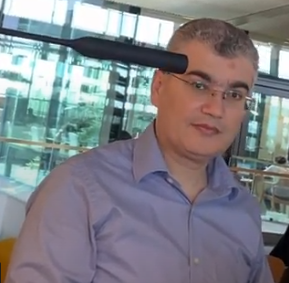
Ahmed Elmalla is an ICT and Computer Science educator with over 19 years of experience in software engineering and international teaching. He teaches Cambridge IGCSE, A-Level, and AP Computer Science, helping students build strong foundations in programming, computational thinking, and digital skills.
Ahmed specializes in Python, Java, and beginner-friendly coding for younger learners, making complex technology concepts simple and engaging. He has mentored students from more than 10 countries and brings real industry experience from AI, software engineering, and startup development into his teaching.
Connect with Ahmed
LinkedIn
https://www.linkedin.com/in/akelmalla
WhatsApp
https://wa.me/60194028484
.png)
1.png)