
From Software Engineering to Teaching Computer Science: Why I Made the Shift
If you’re a parent wondering whether a computer science tutor with real industry experience can make a difference for your child, the answer is simple:
👉 It can completely change how they understand programming.
My journey didn’t start in a classroom. It started in engineering labs, factories, and international projects across Germany, Malaysia, Saudi Arabia, and Europe. For more than 15 years, I worked as a software engineer and automation specialist, building real systems used in industry.
But what many people don’t know is that I actually started teaching much earlier—back in 2005.
At that time, I was already working with:
-
University students
-
Working professionals
-
Engineers upgrading their technical skills
📚 Case Studies
Case Study 1: Real-World Context Improves Learning
Students who learn programming through real-world examples show significantly higher retention and understanding.
Case Study 2: Industry Experience in Teaching
Educators with industry backgrounds help students connect theory with application, improving exam performance.
Case Study 3: AI in Healthcare Applications
During COVID, AI-powered systems and connected medical devices played a major role in monitoring patient health remotely.
🎥 Recommended YouTube Videos
https://www.youtube.com/watch?v=grEKMHGYyns
https://www.youtube.com/watch?v=E6FjR3p5a6U
https://www.youtube.com/watch?v=7S_tz1z_5bA
Final Thought for Parents
If your child is struggling with AP Computer Science A or programming in general, it’s not because they’re not capable.
👉 It’s because they need the right explanation and guidance.
And sometimes, that requires someone who has:
Built real systems
Solved real problems
And knows how to simplify complexity
Within a few weeks, they begin to:
Understand concepts clearly
Solve problems independently
Improve exam performance
👉 My goal is simple:
Make complex ideas clear, practical, and understandable.
Real Results with Students
Most of my students come with:
Confusion in Java
Weak understanding of core concepts
Low confidence
For example:
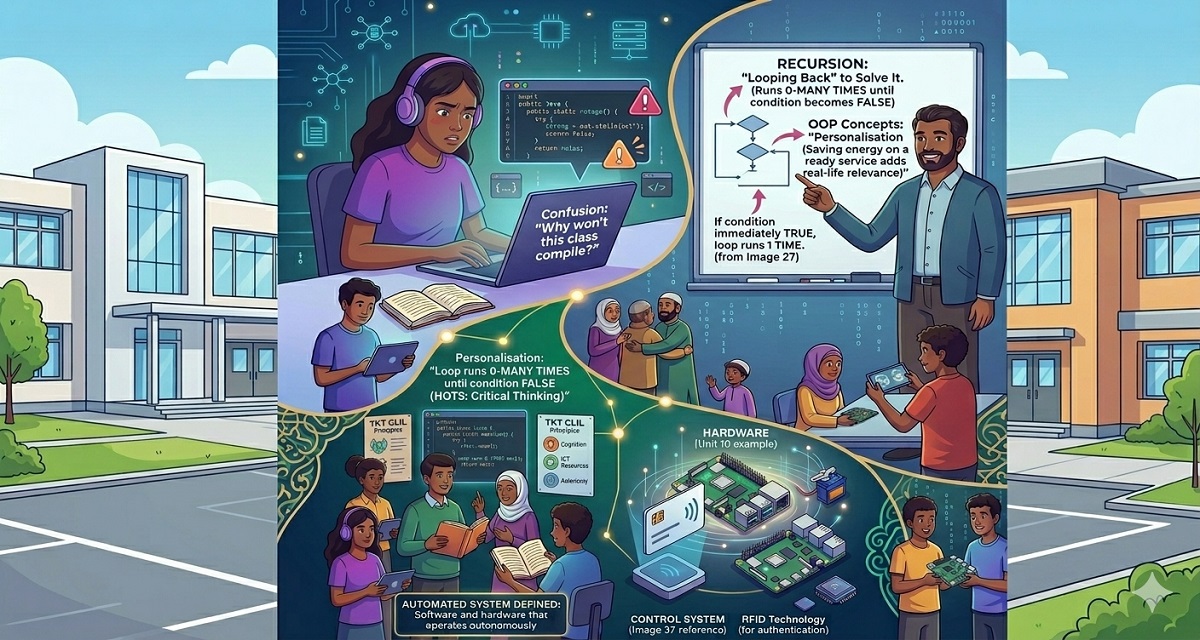
I explain OOP using real system design
I break down recursion step-by-step visually
I simplify reference vs value using practical examples
What Makes My Teaching Different
Because of my background, I don’t teach programming as isolated theory.
I teach it as something that is used in:
Industrial systems
Robotics
AI applications
Real-world problem solving
And the impact is completely different.
When a student goes from:
❌ “I don’t understand this”
to
✅ “This finally makes sense”
—that transformation is powerful.
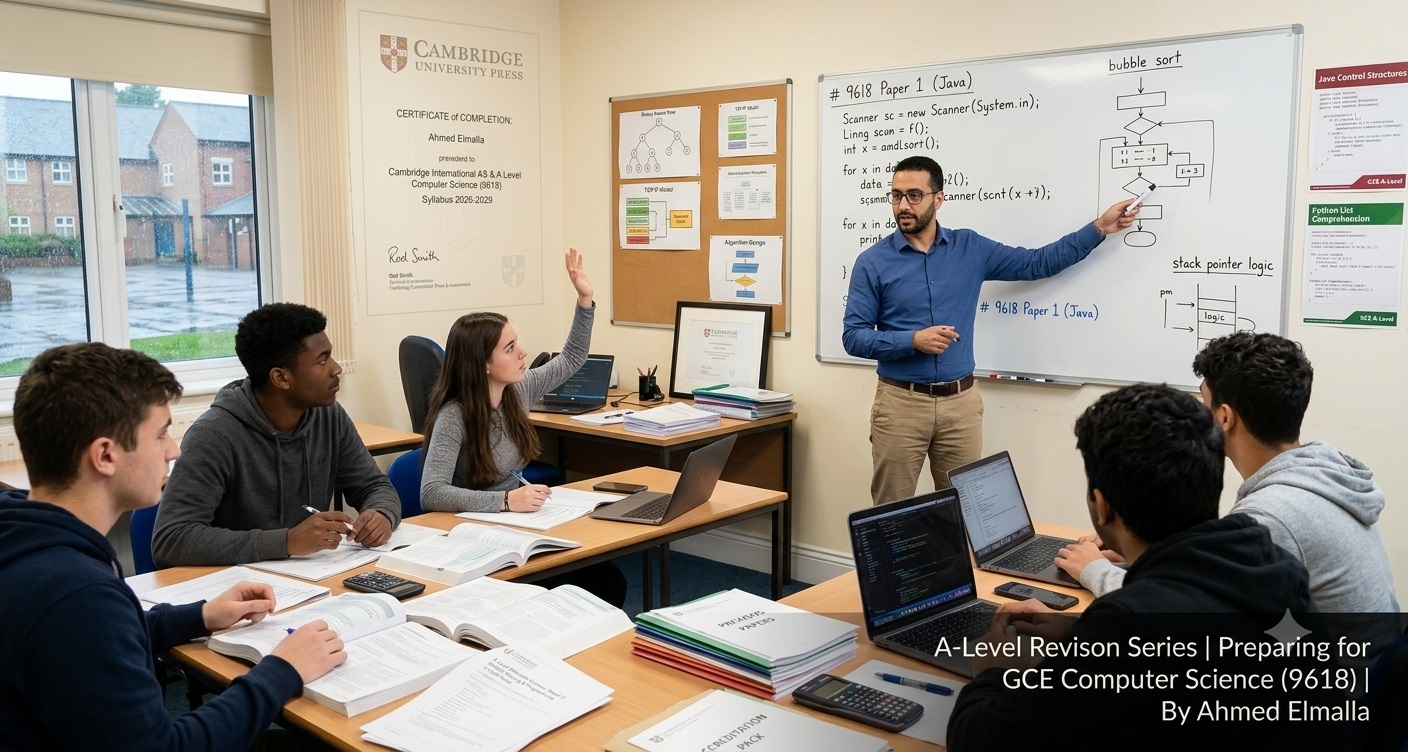
That’s why I made the shift toward teaching ICT and Computer Science full-time, working with students across:
AP Computer Science A (USA)
Cambridge IGCSE & A-Level (UK system)
International and university-level students
In teaching:
I was improving people
Building understanding
Increasing confidence
And honestly—that makes sense.
Because most of these topics are taught in a theoretical way, without connecting them to real-world applications.
Why I Moved from Engineering to Teaching
At some point, I realized something that changed my direction.
In engineering:
I was improving machines
Optimizing systems
Increasing efficiency
Many of my students initially find Java:
Too abstract
Too strict
Difficult to visualize
But when I started teaching more actively, I realized something:
👉 Students struggle not because the concepts are too difficult—
👉 but because they are not explained clearly.
This is especially true in subjects like:
AP Computer Science A (Java)
Object-Oriented Programming (OOP)
Recursion
Passing variables by value vs reference
Here’s where my background became especially valuable.
👉 My hardware + software experience allowed me to bridge the gap between physical medical devices and mobile applications.
This wasn’t just programming anymore.
👉 It was about solving real problems that directly impacted people’s lives.
And this reinforced something I had been noticing for years.
Why Students Struggle with Computer Science
Whether in industry or education, the same core concepts appear again and again:
Logical thinking
System design
Problem-solving
These devices were used to measure:
Vital health functions
Patient data in real-time
This kind of experience changes how you see programming. It’s no longer just code—it becomes a tool to control, optimize, and improve real-world systems.
The Turning Point: COVID and Real-World Impact
Years later, during the COVID-19 period, I worked as part of a startup ecosystem at King Abdulaziz City for Science and Technology (KACST).
This experience added a completely new dimension to my career.
I worked on:
AI-driven healthcare applications
Mobile apps connected to portable medical devices
These systems required:
Real-time control
High precision
Deep understanding of how software interacts with hardware
These were especially common in industrial and automation environments, where I spent most of my time.
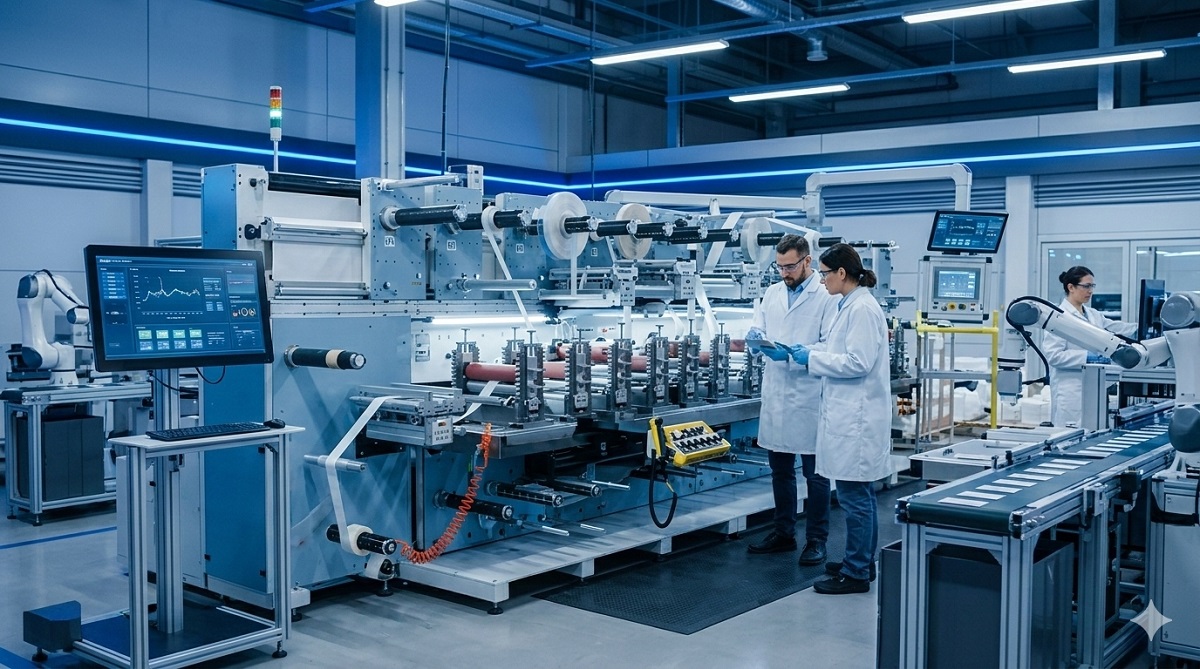
I wasn’t just writing software—I was working deeply on real engineering systems, including:
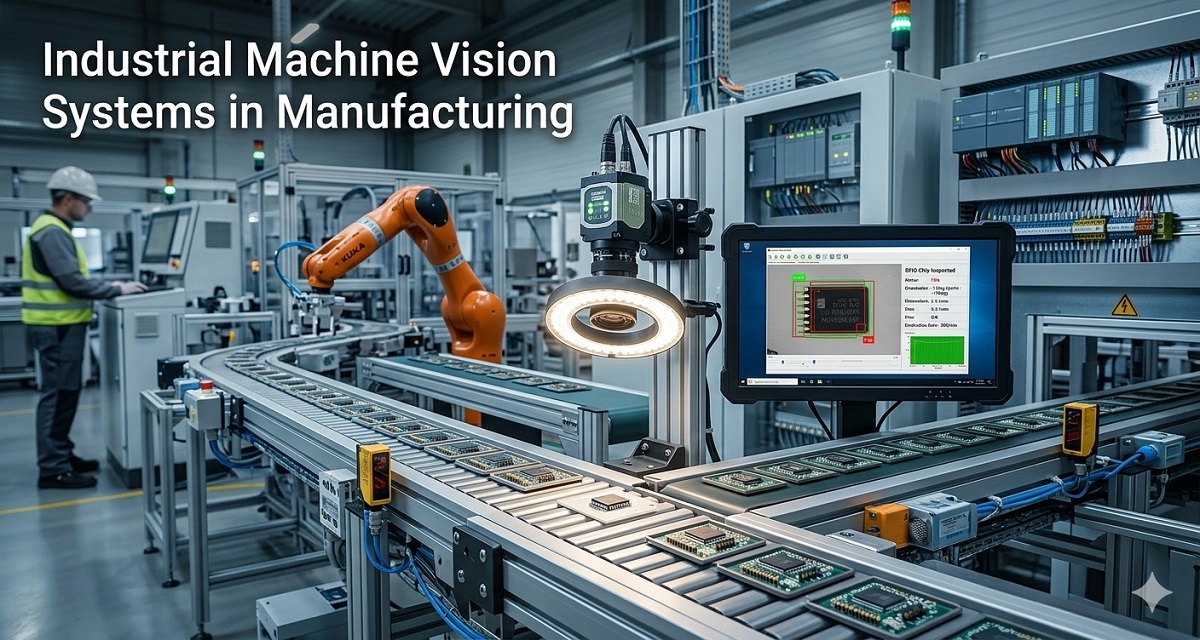
Vision systems for micron-precision robotic arms
Multi-axis automation machines
Wire welding systems in high-speed production environments
Even then, I noticed something important that would later shape my entire career.
👉 Very few students were exposed to computer programming at the school level.
Most only encountered coding at university—or even later—and by then, many were already struggling to understand core concepts.
The Early Days: Before Python Became Popular
Back in the mid-2000s, the programming world looked very different.
There was no Python boom.
The dominant languages were:
Visual Basic (VB)
Visual C++
C#
Author Bio
Ahmed Elmalla is an ICT and Computer Science educator with over 19 years of experience in software engineering and international teaching. He teaches Cambridge IGCSE, A-Level, and AP Computer Science, helping students build strong foundations in programming, computational thinking, and digital skills.
Ahmed specializes in Python, Java, and beginner-friendly coding for younger learners, making complex technology concepts simple and engaging. He has mentored students from more than 10 countries and brings real industry experience from AI, software engineering, and startup development into his teaching.
Connect with Ahmed
LinkedIn
https://www.linkedin.com/in/akelmalla
WhatsApp
https://wa.me/60194028484
.png)
.png)